
Benefits &
Outcomes

Most people who come to Whole at Work are still doing their jobs. Still showing up, still delivering. But something has shifted — at work, in life, or both — and the distance between what the role demands and what it's actually built to support has started to cost them in ways that don't show up on a performance review.
Most high-pressure workplaces are designed around an assumed version of a person — one without health conditions, caring responsibilities, a neurodivergent brain, an identity that requires extra navigation, or anything else that makes the standard way of working not quite fit. When your actual life doesn't match that assumption, the difference has to be made up somewhere. Usually it comes out of the mental and physical energy you had for everything else.
What changes through this work is that the things that have been quietly consuming that energy start requiring less of it — and gradually, room opens up. For the parts of your career you've been putting off. For the parts of your life that have been waiting.
How the work builds
What you're working toward
The work moves through natural stages — not on a fixed timeline, but in a shape that most people recognise. Where you start depends on what's most present for you right now. Some people arrive in the middle of something actively difficult. Some arrive with some foundations already in place and want to build on them. Both are the right place to start.
Laying the groundwork
The first work is usually with the things that are most present — the situations that come up on repeat, the daily costs of working in an environment that wasn't built with you in mind, the patterns that drain energy before the day has properly started. These are often the most visible because they're constant. The work here is building real tools and awareness around them: not just understanding what's happening, but practising a different way of navigating it until it starts to feel genuinely different. That competence — not just insight — is what this stage is for.
Building the practice
Once there are some foundations under the most pressing things, the work expands. New disruptions come in — because the workplace conditions that make things hard don't disappear. Other things that were always there but harder to reach start coming into view. This stage is about staying with all of it: rebuilding when the practice slips, adding new layers, working through the less obvious pressures while keeping an eye on what's still fresh. The reassurance here matters as much as the tools — imperfect practice is still practice, and knowing what it feels like to be disrupted and come back is part of what you're building.
For the long haul
At some point the relationship to the work shifts. The things that brought you here are still there — the conditions in most workplaces don't transform overnight — but you're meeting them differently. The focus moves from navigating what's been draining your energy to building what adds to your life and career. And increasingly, you're running the process yourself: applying it to new situations with less guidance, recognising what's needed and knowing how to get there.
Awareness alone isn't what creates the shift — it's using the tools consistently, including when things are difficult and imperfect, that builds something that actually holds. That's why the work is structured the way it is, and why we match the frequency of sessions to match where you’re at.
For more on how that works in practice, see the Pricing page.
It shows up differently depending on where you're sitting
The shape of the work is the same regardless of role or career stage. What differs is where the mismatch between the workplace's assumptions and your actual situation shows up most — and what it costs. If any of these feel familiar, you're in the right place.
Mid-career professional
"I'm still performing. But something has shifted and I can't figure out how to keep going the way I have been."
A life change, a health thing, a role that stopped fitting — or a workplace that was never designed for the way you actually function. The approach that got you here is no longer enough, and the standard advice doesn't account for what's actually changed in your life or the conditions you're working in. The work here is building a way of navigating your career that fits the full reality of what you're carrying — not a version of it that asks you to set half of that aside.
Early in your career
"I can already see where this is heading. I want to build differently from the start."
You've seen what the demands of high-pressure workplaces cost people further along, and you'd rather build the tools now than find yourself rebuilding from scratch later. The work here is getting the habits, the self-advocacy skills, and an honest understanding of how workplaces actually operate in place early — so you can keep going further, for longer, without the cost compounding quietly in the background.
Leading or managing others
"I'm carrying what my team is navigating as well as the weight of everything that’s my own, and the distance between what's expected and what's actually supported keeps widening."
The responsibility of supporting other people — their development, their experience of the workplace, the situations the organisation isn't equipped to help them through — sits on top of everything else the role demands. And the standard management frameworks rarely account for any of it. The work here builds tools for navigating both: what you're carrying for others, and what you're carrying for yourself.
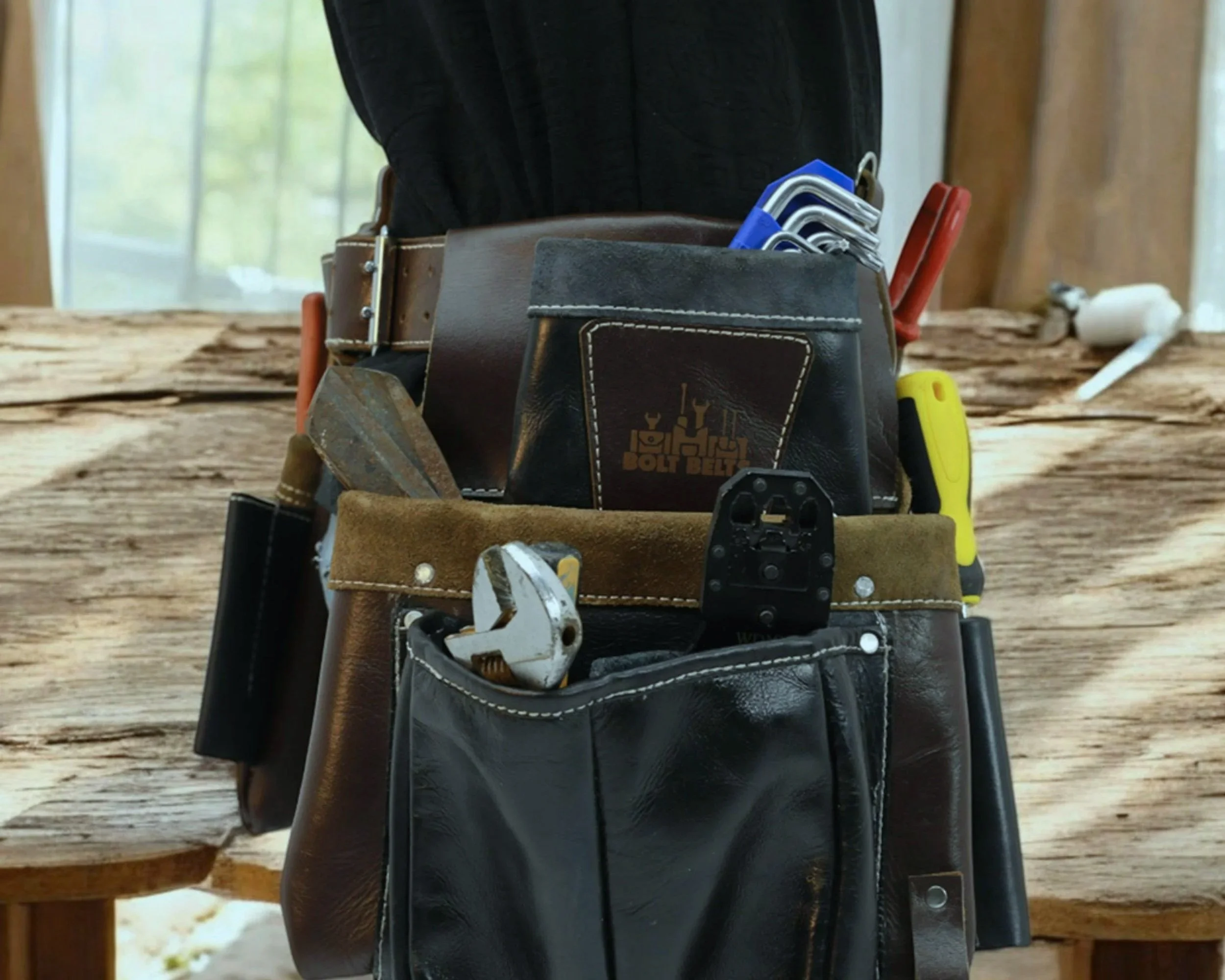
The toolkit
Sessions produce tangible things, not just conversations. Over the course of the work, most clients build a set of practical tools specific to their situation that they can use and return to independently.
Scripts for hard conversations — Drafted and refined for your specific context — the conversation with your manager, the boundary you've been circling, the ask you haven't known how to frame.
Frameworks for recurring situations — Practical structures for the patterns that keep coming up — built around the specific dynamics of your workplace, not a generic template dropped into it.
Self-advocacy tools — Ways of asking for what you need — adjustments, support, recognition — that account for the real dynamics of your workplace rather than assuming an ideal one.
Session summaries (AI opt-in) — A written record of what we've built together — sent after every session, so the work doesn't live only in your memory of the conversation.